
In a world increasingly affected by climate change and water scarcity, choosing water-efficient plants has become essential for sustainable gardening. These resilient species not only thrive in low-water conditions but also contribute to a healthier ecosystem. By selecting the right plants, gardeners can create vibrant landscapes while conserving precious resources.
Water-efficient plants are designed to withstand dry spells, making them ideal for arid climates or regions prone to drought. From succulents to native perennials, these plants offer stunning beauty and require minimal maintenance. Embracing water-efficient gardening practices not only benefits the environment but also helps gardeners save time and money while enjoying lush green spaces.
Benefits of Water-Efficient Plants
Water-efficient plants offer numerous advantages that enhance both the environment and economic aspects of gardening. These plants promote sustainability while reducing the need for excessive water usage.
Environmental Impact
Water-efficient plants significantly reduce water consumption, leading to established ecosystems that sustain biodiversity. They support local wildlife by providing habitats and food sources. Additionally, these plants help prevent soil erosion by stabilizing the ground with their root systems. By thriving in low-water conditions, they decrease reliance on irrigation systems, positively impacting water tables and preserving groundwater resources. Native species adapt naturally to local climates, enhancing resilience against climate change while maintaining ecosystem integrity.
Economic Savings
Water-efficient plants lead to substantial economic benefits for gardeners. They lower water bills by minimizing irrigation needs, resulting in decreased overall water consumption. Reduced maintenance requirements mean lower costs for fertilizers, pesticides, and other gardening supplies. Furthermore, investing in drought-resistant plants can lead to increased property values, as sustainable landscaping attracts potential buyers. These plants also decrease the labor associated with routine watering and upkeep, allowing gardeners to allocate time and resources more efficiently.
Types of Water-Efficient Plants
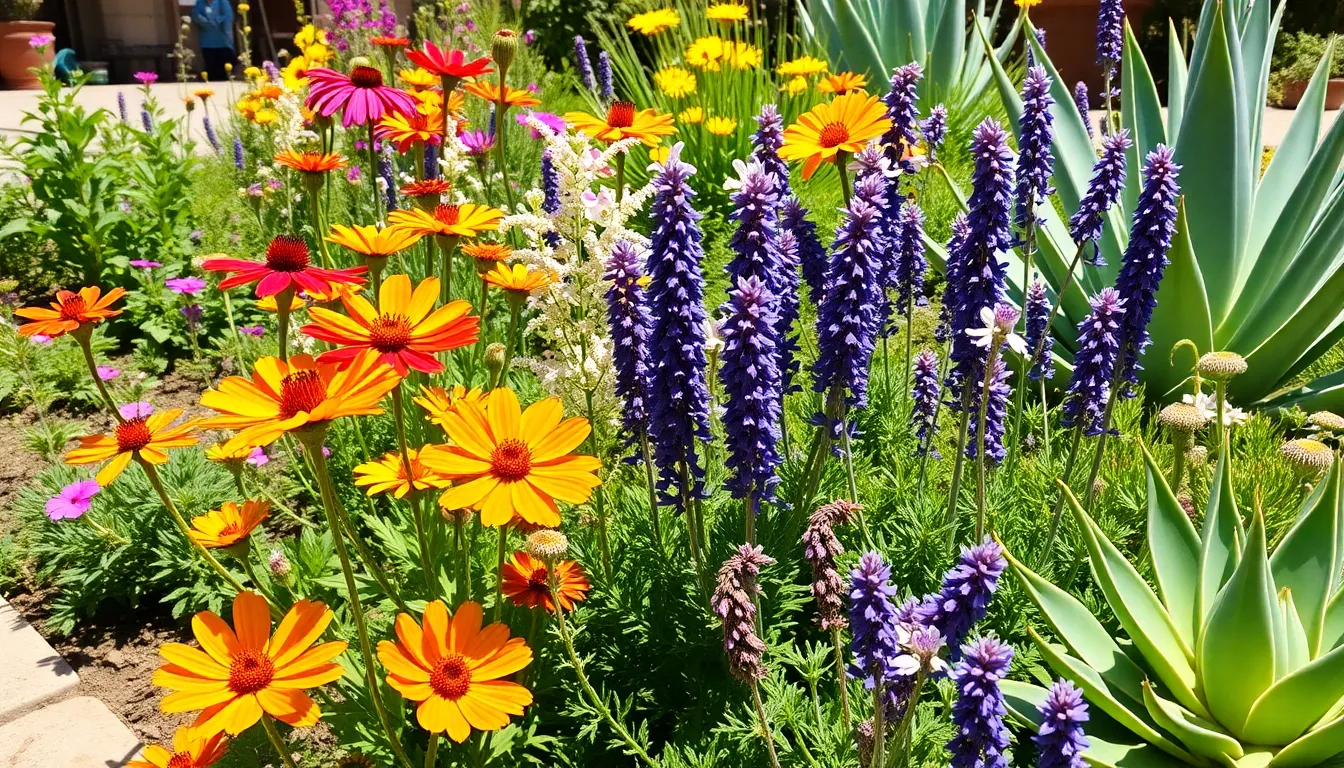
Water-efficient plants come in various types, including native species and drought-tolerant varieties. Each plays a crucial role in sustainable gardening and requires minimal water, promoting an eco-friendly environment.
Native Species
Native species thrive in specific regions with low water needs and adapt well to local climates. These plants often require less maintenance since they are naturally suited to their environment. Examples include:
- Purple Coneflower (Echinacea purpurea): Attracts pollinators, thrives in sunny conditions.
- California Poppy (Eschscholzia californica): Offers vibrant orange blooms, adapts to drought.
- Bee Balm (Monarda didyma): Attracts bees and butterflies, grows well in various soil types.
Utilizing native species enhances local biodiversity, providing habitat for wildlife and ensuring resilience to climate variations.
Drought-Tolerant Varieties
Drought-tolerant varieties are specifically bred to withstand prolonged dry periods. These plants exhibit features like deep roots and waxy leaves, minimizing water loss. Key examples include:
- Agave: Stores water in its leaves, ideal for arid conditions.
- Lavender (Lavandula): Offers fragrant blooms, thrives in well-drained soil with minimal water.
- Sedum: This succulent adapts to various environments, requires little maintenance.
Incorporating drought-tolerant varieties helps conserve water while maintaining aesthetic appeal in gardens.
How to Incorporate Water-Efficient Plants in Your Garden
Incorporating water-efficient plants enhances sustainability while creating beautiful landscapes. Following specific strategies can maximize their effectiveness in any garden.
Planning Your Space
- Select suitable locations: Choose areas with appropriate sunlight, soil conditions, and drainage for the selected plants.
- Group plants by water needs: Arrange water-efficient plants together with similar hydration requirements. This method reduces water use and promotes healthy growth.
- Create microclimates: Utilize rocks or shade from larger plants to create cooler areas for delicate varieties. Strategically placed structures can enhance moisture retention.
- Plan for seasonal changes: Consider bloom times and foliage changes throughout the year to maintain visual appeal while ensuring species compatibility.
Maintenance Tips
- Watering wisely: Implement a deep watering schedule during establishment, then reduce frequency to allow plants to adapt to low-water conditions.
- Mulch application: Apply organic mulch around plants to retain soil moisture, suppress weeds, and moderate soil temperatures.
- Regular monitoring: Observe plants for signs of stress or pests. Early detection prevents larger issues and maintains plant health.
- Pruning and dividing: Regularly prune dead or overgrown areas to encourage airflow and healthy growth. Dividing established plants every few years can rejuvenate them and ensure optimal water efficiency.
Water-Efficient Plants for Different Climates
Selecting water-efficient plants varies based on climate. Here are specific recommendations for arid regions and humid areas.
Arid Regions
In arid regions, choosing plants that thrive under extreme heat and minimal rainfall is crucial. Some notable examples include:
- Agave: This succulent requires little water and offers striking architectural forms.
- Lavender: Known for its aromatic flowers, lavender thrives in dry soil and attracts pollinators.
- Sedum: These succulent varieties are ideal for ground cover, handling high temperatures with minimal moisture.
These plants possess adaptations that reduce water loss, such as thick leaves and deep root systems, ensuring their survival in dry climates.
Humid Areas
In humid areas, gardeners benefit from plants that withstand high moisture levels and occasional drought. Recommended water-efficient plants include:
- Bee Balm: This perennial attracts a variety of pollinators and flourishes in moist conditions.
- Purple Coneflower: Adaptable and drought-tolerant, it thrives in well-drained soil and offers vibrant blooms.
- Switchgrass: A native grass that stabilizes soil, switchgrass grows well in humid climates and requires relatively low maintenance.
These selections help maintain biodiversity while also reducing water usage, providing sustainable landscaping options for moist environments.
Embracing water-efficient plants is a crucial step toward sustainable gardening. By selecting species that thrive in low-water conditions, gardeners can create beautiful landscapes that require less maintenance and resources. These plants not only enhance the aesthetic appeal of gardens but also contribute positively to the environment by conserving water and supporting local wildlife.
As climate change continues to challenge traditional gardening practices, incorporating native and drought-tolerant varieties becomes increasingly important. With the right planning and care, anyone can cultivate a vibrant garden that reflects a commitment to sustainability while enjoying the myriad benefits that water-efficient plants offer.