
Every houseplant dreams of a sun-soaked vacation, but too often they end up stuck in the shade of a cluttered corner. Just like humans need their daily dose of Vitamin D, plants thrive on sunlight to grow strong and vibrant. Without it, they might just stage a leafy protest, drooping dramatically and plotting their escape to the great outdoors.
Importance Of Sunlight For House Plants
Sunlight plays a vital role in the health and vitality of houseplants. Its absence can lead to weakened plants and poor growing conditions.
Role Of Photosynthesis
Photosynthesis occurs when houseplants convert sunlight into energy. This process allows them to produce glucose, which fuels growth. Chlorophyll absorbs light energy, primarily from blue and red wavelengths. Plants then use this energy to synthesize necessary carbohydrates. Without adequate sunlight, photosynthesis slows down, impacting overall plant health.
Impact On Plant Growth
Sunlight directly influences plant growth rates and flowering cycles. Sufficient light encourages stronger stems and lush foliage. Insufficient light may result in leggy growth as plants stretch towards the nearest light source. Additionally, flowering plants require specific light conditions to bloom effectively. Varied light intensity influences the timing and number of blooms. Healthy plant growth relies on a balanced exposure to sunlight.
Types Of Sunlight Available
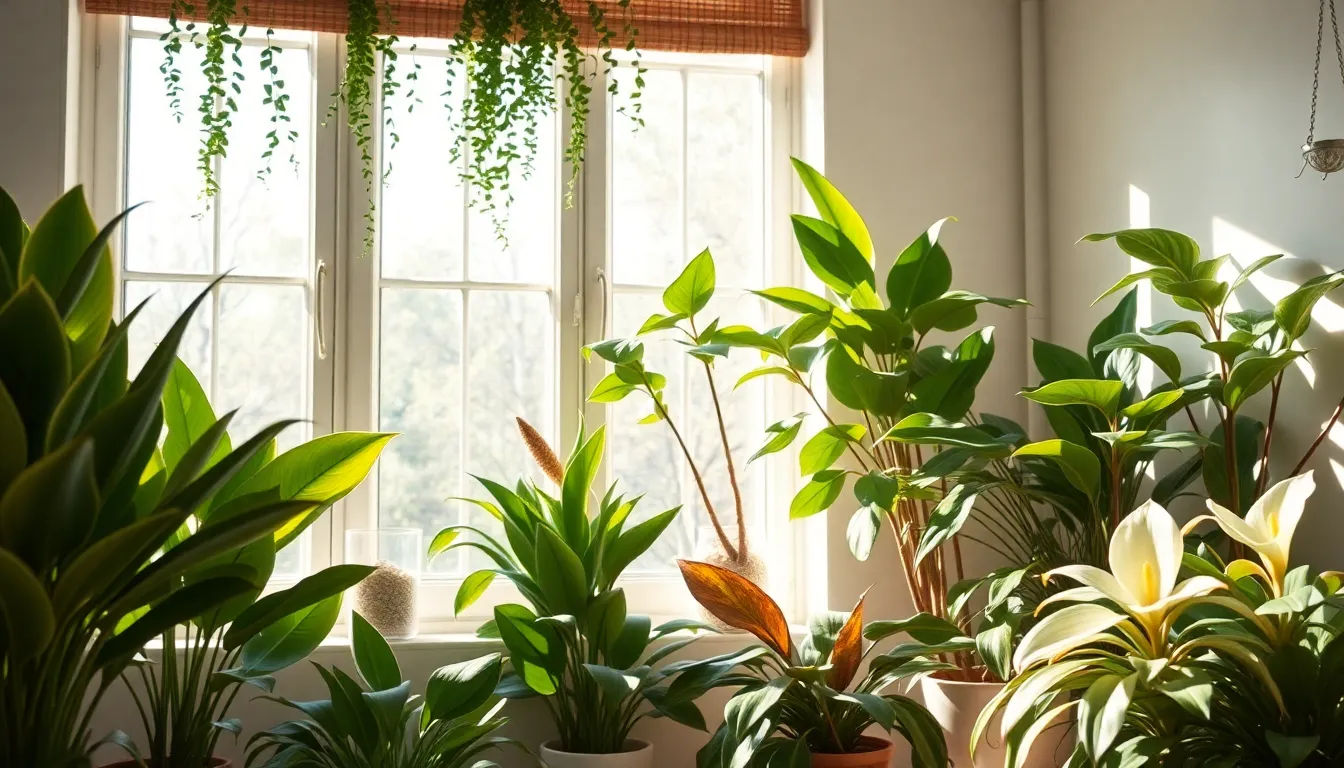
Understanding the various types of sunlight helps in providing optimal conditions for houseplants. Each category offers distinct benefits.
Direct Sunlight
Direct sunlight occurs when light shines directly on the plant without obstruction. This type is ideal for sun-loving species like succulents and cacti. Exposing these plants to direct sunlight enhances their growth and encourages vibrant colors. Depending on geographic location, intensity varies. Typically, direct sunlight lasts six to eight hours daily. Houseplants placed near south or west-facing windows often receive sufficient direct light. However, care is necessary as prolonged exposure can scorch leaves, requiring balanced sunlight management.
Indirect Sunlight
Indirect sunlight reaches plants indirectly, as it reflects off surfaces or passes through sheer materials. Many houseplants thrive in these conditions, including ferns and peace lilies. This light provides consistent illumination without the risk of leaf burn. Areas near east-facing windows often yield optimal indirect light. If the plant appears leggy, it may indicate insufficient light. Adjusting the plant’s location can remedy this; moving it closer to the light source ensures healthy growth without overstressing the foliage.
Artificial Light Options
Artificial light is essential for growing houseplants in low-light conditions. Various options are available, including fluorescent, LED, and incandescent bulbs. LED lights stand out for their energy efficiency and longevity. Fluorescent lights are suitable for broader illumination needs. In many cases, using a combination of these options can optimize growth. Positioning artificial lights within a few feet of the plants simulates natural sunlight effectively. Regularly shifting the light source every few weeks encourages even growth and reduces uneven stretching in plants.
Optimal Sunlight Conditions For Different Plants
Understanding the sunlight needs of various houseplants helps achieve optimum growth and health.
Succulents And Cacti
Succulents and cacti thrive in direct sunlight, often requiring six to eight hours of bright light each day. These plants store water in their leaves, which allows them to endure drought conditions. Growth remains vibrant in well-draining soil, while receiving intense light enhances their colors and shapes. Placing succulents and cacti near south-facing windows ensures they receive the necessary exposure. If signs of sunburn appear, such as brown spots, adjusting their position slightly may help minimize damage.
Leafy Greens
Leafy greens, including spinach and lettuce, prefer bright indirect sunlight, ideally about four to six hours daily. These plants achieve optimal photosynthesis without the stress of direct sun exposure. Sufficient light fuels healthy leaf development, leading to robust growth. Ideal placements include east or west-facing windows, where they can enjoy gentle morning light. Using reflective surfaces nearby can enhance available light, supporting growth in low-light settings.
Flowering Plants
Flowering plants require varying light conditions, often needing bright indirect sunlight for successful blooms. Species like orchids and African violets benefit from at least six hours of filtered light daily. Proper light levels encourage abundant flowering while preventing leggy growth. Situate these plants near windows with sheer curtains to diffuse harsh rays. In low-light situations, consider using grow lights to maintain blooming cycles and overall plant vitality.
Signs Of Sunlight Issues
Houseplants can exhibit various signs when they experience sunlight issues. Recognizing these symptoms helps in adjusting care for optimal health.
Underexposure Symptoms
Slow growth often indicates insufficient light. Leaves may turn yellow and drop due to inadequate sunlight. Plants may stretch toward the light source, resulting in elongated, leggy stems. Paler foliage appears, signaling a decline in chlorophyll production. Some plants may even fail to bloom when deprived of light. Identifying these signs early allows for timely adjustments to the light conditions.
Overexposure Symptoms
Burnt leaf tips frequently signify too much direct sunlight. Leaves can fade, losing their vibrant color when subjected to harsh rays. Some plants exhibit curling or crisping edges, indicating stress from overexposure. Dark spots on leaves may emerge as a result of sunburn. Leggy growth can result from fluctuating light conditions, leading to a plant’s struggle for survival. Monitoring these signs is crucial for ensuring a healthy growth environment.
Tips For Maximizing Sunlight Exposure
Maximizing sunlight exposure is key for healthy houseplants. Proper placement and seasonal adjustments enhance light accessibility for optimal growth.
Placement Strategies
Positioning plants strategically makes a significant difference in their light exposure. South-facing windows often provide the most direct sunlight, ideal for sun-loving varieties. West-facing windows also capture good evening light, benefiting plants in the afternoon. Avoiding north-facing windows helps prevent insufficient light for many houseplants. Placing plants on shelves allows for varied heights, maximizing light exposure from different angles. Using reflective surfaces, like mirrors, increases light intensity, promoting growth. Grouping plants with similar light needs together further condenses their exposure to beneficial sunlight.
Seasonal Adjustments
Seasonal changes affect light availability, necessitating adjustments for houseplants. During fall and winter, sunlight tends to be less intense and shorter in duration. Moving plants closer to windows during these months enhances their light intake. In spring and summer, following the sun’s path can help optimize light exposure. Shading plants from harsh mid-day sun protects sensitive foliage from burn. Observing daily sun patterns supports appropriate positioning throughout the year. Keeping track of how light shifts with seasons ensures plants receive adequate illumination year-round.
Providing the right amount of sunlight is essential for the health and vitality of houseplants. Each plant has unique light requirements that directly influence its growth and blooming potential. By understanding these needs and observing signs of light stress, plant owners can create an optimal environment for their green companions.
Maximizing sunlight exposure through strategic placement and seasonal adjustments ensures plants thrive. Whether utilizing natural light or artificial sources, the goal remains the same: to foster a flourishing indoor garden. With proper care and attention to light conditions, houseplants can flourish, bringing beauty and life into any space.