
In an age where sustainable energy solutions are becoming increasingly essential, many homeowners are exploring the benefits of solar power for their residences. But, financing these solar installations can often appear daunting. Understanding the various financing options available can empower homeowners to make informed decisions. One valuable resource in this regard is the LotsOfPower Files Finance Solar Home eBook, which simplifies the complexities of solar financing while offering insights into practical applications. This article takes a closer look at the financing options and how to effectively use the eBook to optimize your journey into solar energy.
Understanding Solar Home Financing Options
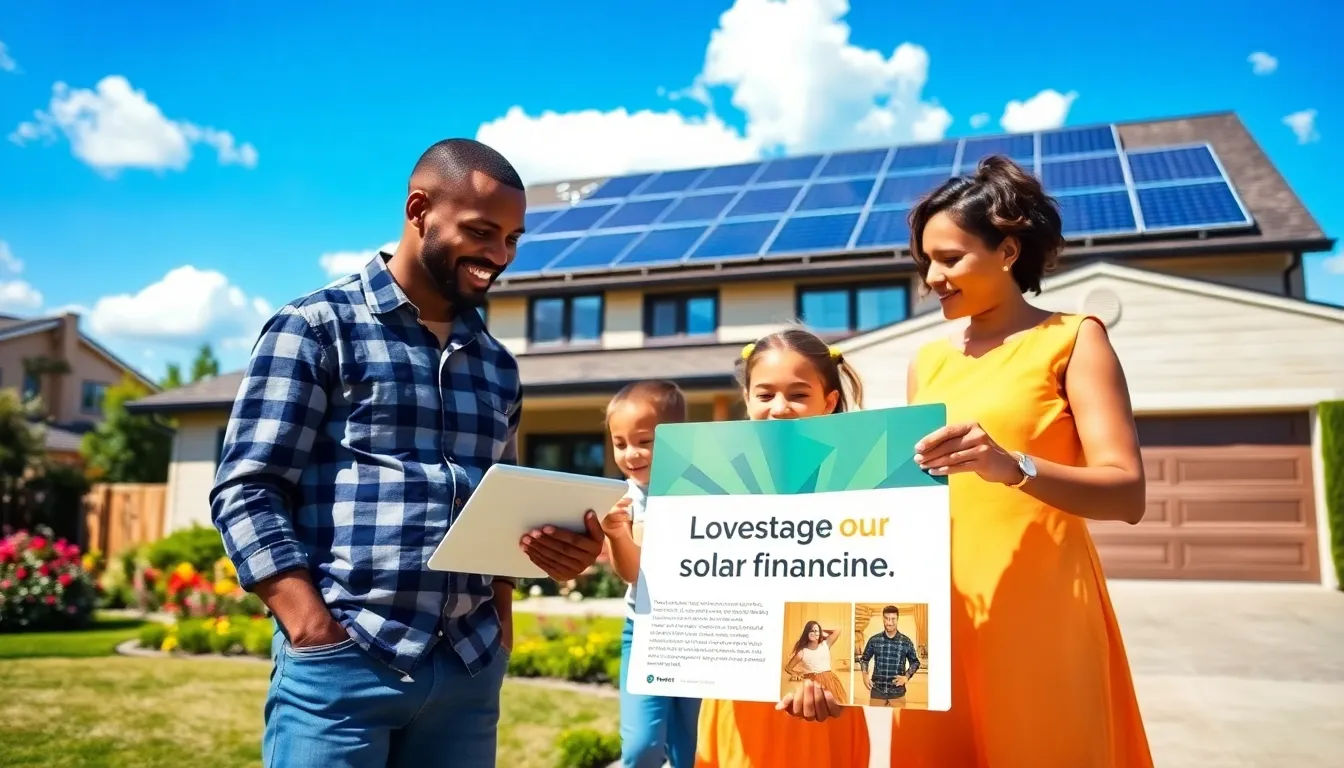
When it comes to investing in solar power for the home, understanding the available financing options is crucial. Not only do these options provide financial flexibility, but they also determine how efficiently a homeowner can transition to a sustainable energy source.
Types of Solar Financing Models
There are primarily three models to consider:
- Outright Purchase: Homeowners can choose to purchase the solar system outright. This option, while the most expensive upfront, often provides the greatest long-term savings through tax credits and reduced energy bills.
- Solar Loans: These are loans specifically designed to finance solar systems. They can come with lower interest rates and some loans may even allow payments to be deferred until the system generates savings.
- Leases and Power Purchase Agreements (PPAs): In these arrangements, homeowners essentially rent the solar system rather than owning it outright. With lease agreements, homeowners pay a monthly fee for the use of the system, while PPAs typically charge based on the electricity produced.
Benefits of Home Solar Financing
Financing a solar installation offers numerous benefits. First and foremost, it makes solar energy accessible to more homeowners by reducing the immediate financial burden. Also, financing options enable homeowners to take advantage of federal tax credits and other incentives, leading to an overall lower cost of solar energy. Also, many financing models allow for fixed-payment plans, shielding homeowners from rising utility prices in the long run.
Selecting the Right Financing Option for Your Home
Choosing the right financing option involves careful consideration of various factors to ensure the selected model aligns with personal financial goals and energy needs.
Key Factors to Consider
- Budget: Assessing your budget upfront is essential. Determine how much you are willing and able to invest in solar energy. This decision is often influenced by whether you prefer making smaller monthly payments or if you can afford a larger one-time payment.
- Length of Stay in Home: Homeowners who plan to stay long-term may benefit more from an outright purchase or a loan, while those who expect to move soon might find leasing more appealing.
- Incentives and Rebates: Research local and federal incentives. Some financing options may allow you to capitalize on these rebates more effectively than others.
Evaluating Your Financial Situation
An honest assessment of your financial situation is critical. Homeowners should consider their credit rating, debt-to-income ratio, and other financial commitments. This evaluation not only aids in determining the feasibility of financing options but may also influence loan terms, such as interest rates and repayment schedules.
How to Utilize the LotsOfPower eBook Effectively
The LotsOfPower Files Finance Solar Home eBook serves as a comprehensive guide to navigate the complex world of solar financing. With structured content and practical insights, readers can maximize their understanding and application of solar financing.
Navigating the eBook Content
To get the most out of the eBook, start by familiarizing yourself with its table of contents. The structured format allows users to quickly pinpoint areas of interest, whether it’s understanding the types of financing or reading about real-life success stories. The eBook is filled with charts, examples, and relevant case studies that make absorbing the information easier.
Tips for Successful Implementation
To successfully carry out solar financing through advice from the eBook, consider taking incremental steps. First, assess your financing model based on personal needs and follow the eBook’s guidelines to contact lenders or solar providers. Engaging with local solar communities highlighted in the eBook can also provide valuable insights and support during your transition to solar.
Real-Life Success Stories from the eBook
Real-life examples can serve as powerful motivators to adopt solar solutions. The LotsOfPower eBook shares various success stories that illustrate both economic and environmental benefits realized by homeowners after turning to solar.
Impact on Home Value and Energy Savings
Many homeowners have noticed a significant increase in their property value after installing solar systems. The eBook outlines cases where families have saved thousands on energy bills, recouping their initial investments faster than anticipated. Also, solar installations often equip homes with appealing features that attract future buyers.
Community and Environmental Benefits
Success stories in the eBook also demonstrate the broader impacts of solar adoption on communities. Various case studies highlight how neighborhoods have come together to invest in solar networks, leading to reduced carbon footprints and fostering community engagement. These collective efforts not only provide immediate benefits but also enhance long-term sustainability.
Conclusion
Navigating the world of solar home financing may seem overwhelming, but resources like the LotsOfPower Files Finance Solar Home eBook simplify this journey. By understanding financing options, evaluating personal circumstances, and utilizing the eBook for insights, homeowners can make informed decisions that will enhance their energy independence and overall savings. With many success stories to motivate and inspire, transitioning to solar energy is not just an investment in one’s home but a commitment to a greener future.