
In today’s fast-paced world, finding a peaceful escape is essential for mental well-being. A garden retreat offers the perfect sanctuary, blending nature’s beauty with tranquility. Imagine stepping into a vibrant oasis filled with blooming flowers, soothing sounds of rustling leaves, and the gentle hum of bees. This serene setting not only rejuvenates the spirit but also inspires creativity and reflection.
Creating a garden retreat doesn’t require a sprawling estate. With a few thoughtful touches, even a small balcony or backyard can transform into a personal haven. From selecting the right plants to incorporating cozy seating areas, every detail contributes to crafting an inviting space. Embracing the outdoors in this way can significantly enhance one’s quality of life, providing a much-needed respite from daily stresses.
What Is a Garden Retreat?
A garden retreat serves as a designated space for relaxation amidst nature, promoting mental well-being. It combines the soothing elements of greenery, flowers, and calming sounds, creating an oasis that encourages tranquility and creativity. Garden retreats can vary in size, from expansive landscapes to compact corners, making them accessible for any home.
Creating a garden retreat involves thoughtful planning. Specific elements contribute to its calming atmosphere, including:
- Plant selection: Choosing a variety of plants enriches the visual appeal and attracts beneficial wildlife such as butterflies and birds.
- Seating arrangements: Incorporating comfortable seating encourages extended stays in the garden, facilitating relaxation or reflective thinking.
- Water features: Adding fountains or ponds enhances serenity through the gentle sounds of flowing water, promoting a peaceful environment.
- Lighting options: Utilizing soft lighting helps create an inviting ambiance during evening hours, extending enjoyment into the night.
Integrating these components creates an environment that allows individuals to escape the stresses of everyday life. Embracing a garden retreat fosters a strong connection to nature, which significantly contributes to overall quality of life.
Benefits of a Garden Retreat
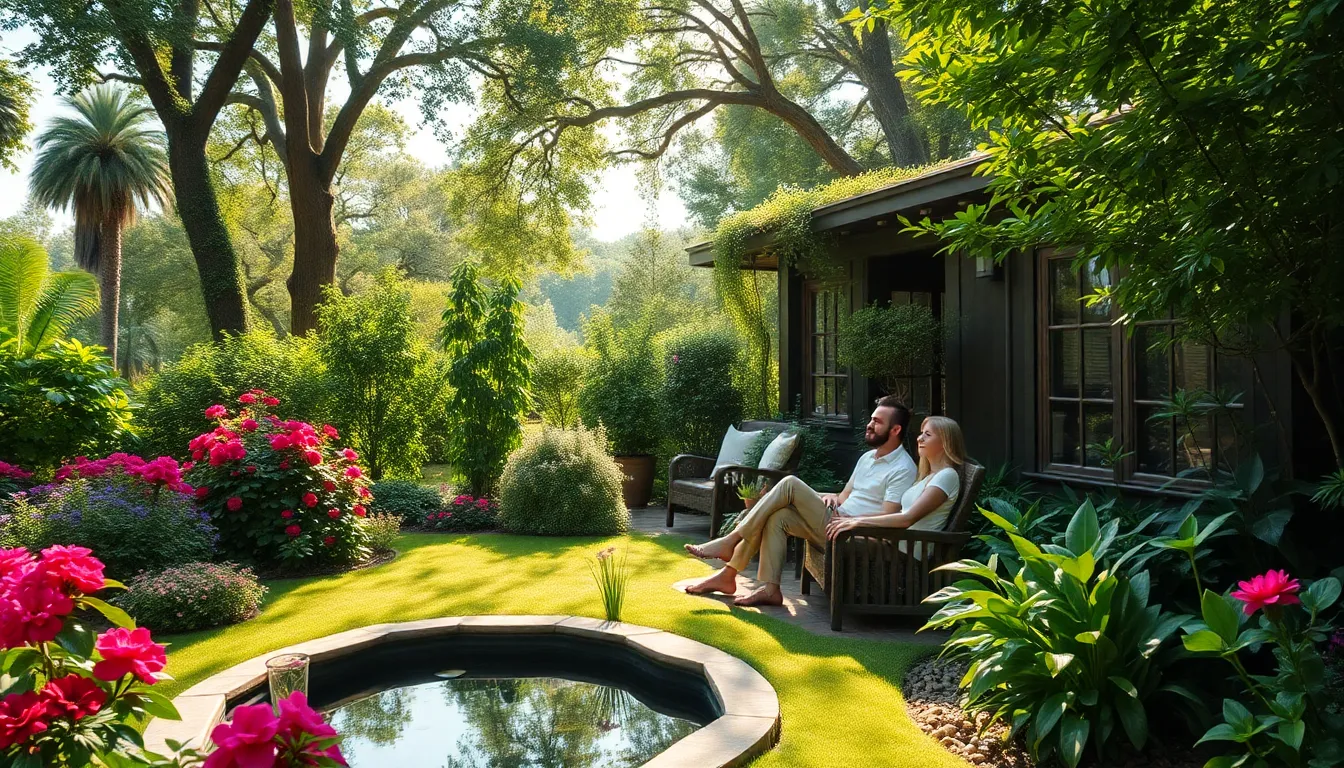
A garden retreat offers numerous benefits that enhance overall well-being. It acts as a sanctuary for stress relief and provides a deep connection with nature.
Stress Relief and Relaxation
Stress relief and relaxation are vital components of a garden retreat. Immersing oneself in nature lowers cortisol levels, leading to reduced stress. Greenery, colorful flowers, and the sounds of birds contribute to a calming atmosphere, allowing individuals to unwind. Activities like reading or meditating amidst plants promote mindfulness and enhance emotional well-being. Studies indicate that spending time outdoors can improve mood and lower anxiety, making garden retreats essential for mental health.
Connection With Nature
Connection with nature plays a crucial role in a garden retreat. Engaging with the natural environment fosters a sense of belonging and peace. Participants experience the therapeutic effects of fresh air and sunlight, which can improve mood and energy levels. Observing wildlife, such as butterflies and birds, enriches this experience and cultivates appreciation for biodiversity. Research suggests that regular exposure to nature is linked with increased happiness and reduced feelings of loneliness, making a garden retreat an effective way to strengthen this vital connection.
Designing Your Perfect Garden Retreat
Crafting a garden retreat requires careful consideration of location and essential features. This space should inspire relaxation and connect with nature.
Choosing the Right Location
Selecting the ideal location for a garden retreat significantly impacts the overall experience. Factors to consider include:
- Sunlight: Choose a spot that receives ample sunlight. Six to eight hours daily provides optimal growth for most plants.
- Privacy: Look for areas shielded from outside view. Fencing or natural barriers can enhance seclusion and comfort.
- Accessibility: Ensure the retreat is easily reachable from the home. Direct pathways or stepping stones can connect the garden to indoor spaces.
- Wind Protection: Position the retreat away from strong winds. Natural hedges or trellises can help create a calmer atmosphere.
Essential Features and Elements
Incorporating specific features elevates the garden retreat to a true sanctuary. Key elements include:
- Diverse Plants: Select a variety of plants to enhance visual interest and attract wildlife, such as butterflies and birds.
- Comfortable Seating: Provide cozy seating options, like loungers or hammocks, to facilitate relaxation and enjoyment of surroundings.
- Water Features: Install fountains or birdbaths to introduce soothing sounds, promoting tranquility and engagement with nature.
- Soft Lighting: Utilize string lights or lanterns for soft illumination during evening hours, creating an inviting ambiance ideal for gatherings.
- Pathways: Design paths with gravel or stepping stones for easy navigation and to delineate different areas within the retreat.
Each of these features contributes to a harmonious environment, allowing individuals to escape daily stresses effectively.
Maintaining Your Garden Retreat
Maintaining a garden retreat involves ongoing care and mindful practices to preserve its beauty and effectiveness as a sanctuary. Implementing seasonal care tips and sustainable practices enhances the overall experience while protecting the environment.
Seasonal Care Tips
- Spring: Start with pruning plants to encourage new growth and removing debris that accumulated during winter. Fertilize soil to promote healthy plant development and consider adding mulch to conserve moisture.
- Summer: Water plants deeply, especially during heatwaves, ensuring proper hydration. Monitor for pests and diseases, taking action quickly to protect plant health. Create shade with larger plants or umbrellas for comfort.
- Fall: Prepare for winter by cutting back perennials and removing spent annuals. Plant bulbs for spring blooms and apply a layer of mulch to insulate the soil.
- Winter: Protect delicate plants from frost with covers or move container plants indoors. Assess landscaping for potential changes in spring and plan new additions for optimal beauty.
Sustainable Practices
- Native Plants: Choose native flora since they require less water and maintenance while providing habitat for local wildlife.
- Composting: Create compost from kitchen scraps and yard waste to enrich soil naturally, reducing the need for chemical fertilizers.
- Rainwater Harvesting: Install rain barrels to collect water for irrigation, conserving resources during dry spells.
- Mulching: Use organic mulch to retain moisture, suppress weeds, and enrich the soil as it decomposes, promoting an eco-friendly environment.
Creating a garden retreat offers a unique opportunity to enhance mental well-being and foster a deeper connection with nature. By thoughtfully designing a space that incorporates diverse plants and calming features, anyone can transform even the smallest area into a personal sanctuary. Regular maintenance and sustainable practices ensure that this retreat remains a vibrant and inviting escape.
Ultimately, embracing the tranquility of a garden retreat can significantly enrich daily life. It’s not just about aesthetics; it’s about cultivating a peaceful environment that promotes relaxation and rejuvenation. With the right approach, a garden retreat can become a cherished haven that nurtures the spirit and inspires creativity.