
In a world where space is at a premium and clutter is the enemy, commercial storage containers are the unsung heroes of organization. Imagine a sturdy metal box that can hold everything from seasonal decorations to excess office supplies, all while keeping your sanity intact. These containers are like a magic trick for businesses, transforming chaos into order with just a twist of the lock.
But it’s not just about storage; it’s about versatility. Whether you’re a small business owner or managing a large warehouse, these containers offer a solution that’s as flexible as a gymnast on a caffeine high. They come in various sizes, ready to adapt to your needs. So why let your valuable space go to waste when you can harness the power of commercial storage containers? Let’s dive in and discover how these mighty boxes can revolutionize the way businesses handle their storage challenges.
Overview of Commercial Storage Containers
Commercial storage containers provide essential solutions for businesses aiming to manage space efficiently. These containers come in various sizes, accommodating diverse storage needs. Businesses use them for inventory, equipment, or seasonal items, ensuring that everything remains organized and accessible.
Durability characterizes these storage containers, making them ideal for outdoor usage. Weatherproof designs protect contents from moisture and damage. Many companies also find that containers are stackable, allowing them to maximize vertical space in warehouses or on construction sites.
Versatility stands out as a significant benefit. Various industries utilize these containers, from retail to construction to logistics. Creative usages include converting containers into offices or break areas, showcasing adaptability beyond traditional storage.
Cost-effectiveness is another consideration. Renting or purchasing these containers often proves more economical than building permanent structures. Business owners appreciate that mobile units can be relocated as needs change, providing further flexibility in operations.
Compliance with safety standards is crucial. Manufacturers ensure that containers meet regulations to guarantee safe storage of hazardous materials. Implementing best practices in storage management frequently leads to enhanced workplace safety and organization.
Sustainability also plays a role in their appeal. Many businesses focus on reducing environmental impact by opting for recycled containers or reusing existing ones. This approach aligns well with current trends toward eco-friendly practices in commercial operations.
Exploring the various features and benefits of commercial storage containers reveals their importance in efficient organization. Businesses invest in these solutions to optimize operations, improve accessibility, and maintain ultimate control over their stored materials.
Benefits of Using Commercial Storage Containers
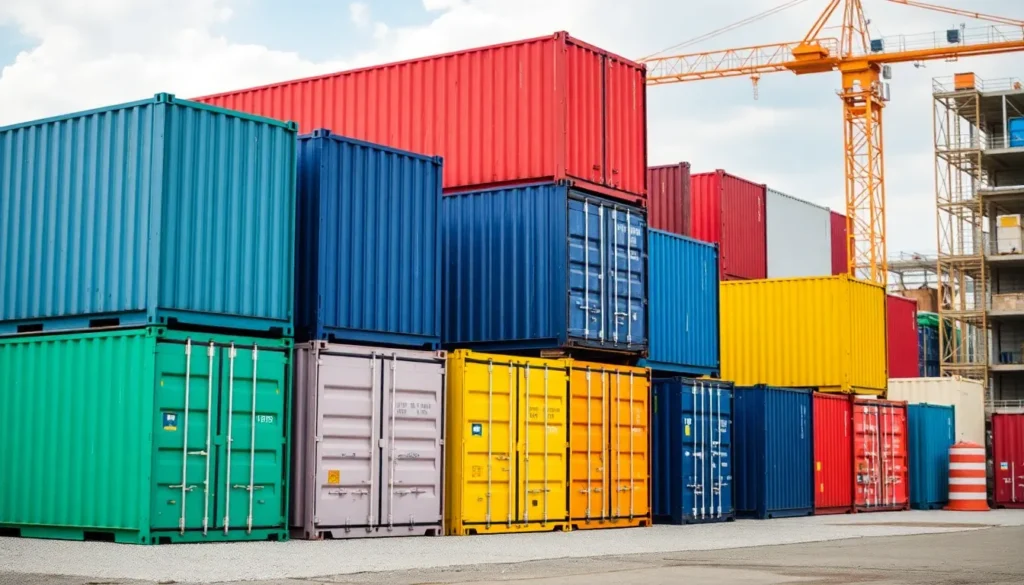
Commercial storage containers offer essential advantages for businesses seeking efficient and organized storage solutions. Their design and functionality cater to various operational needs.
Cost-Effectiveness
Businesses find that renting or purchasing commercial storage containers often represents a more economical option than constructing permanent structures. Initial investments in containers typically range from $1,500 to $5,000, depending on the size and condition. Ongoing costs, like maintenance or rental fees, usually remain lower than those associated with traditional building upkeep. Many companies also appreciate the financial flexibility that comes with short-term rental options, enabling them to adapt to changing demands without significant capital expenditure.
Flexibility and Versatility
Flexibility stands out as a primary benefit of commercial storage containers. Available in sizes from 10 to 40 feet, these containers meet diverse storage requirements across various industries. Businesses often use them for more than just storage, repurposing them into mobile offices or retail spaces. Their modular design allows for easy relocation, making it simple to adjust layouts as needs evolve. From construction sites to warehouses, versatility is crucial for maximizing operational efficiency. Containers even support stacking, effectively utilizing vertical space and transforming any area into a practical storage solution.
Types of Commercial Storage Containers
Commercial storage containers come in various types, each designed for specific needs. Understanding these options allows businesses to make informed decisions about which solutions fit their operational requirements.
Shipping Containers
Shipping containers serve as robust storage options for numerous businesses. These steel structures are commonly used for transporting goods, yet their durability makes them ideal for long-term storage. Typically available in sizes ranging from 20 to 40 feet, shipping containers can withstand harsh weather while protecting contents inside. Companies often convert these containers into unique spaces, such as pop-up shops or maintenance areas, due to their adaptability and strength. Pricing generally falls between $1,500 and $5,000, making them a cost-effective choice for many enterprises.
Portable Storage Units
Portable storage units offer flexibility and convenience for businesses needing temporary or mobile storage solutions. These containers come in various sizes, often ranging from 8 to 40 feet, providing options for any volume of items. Units can be delivered directly to a site, allowing for easy access to contents as needed. Many businesses utilize portable storage for events, renovations, or inventory overflow without the commitment of permanent structures. Rental costs typically remain lower than traditional options, further reinforcing their appeal for companies seeking economical storage alternatives.
Choosing the Right Commercial Storage Container
Selecting the right commercial storage container involves considering several key factors. Businesses should assess their specific storage needs, as container size directly impacts functionality and efficiency. Sizes range from 10 to 40 feet, so measuring the intended space and understanding inventory volume is crucial.
Evaluating material composition also plays a vital role. Containers made from Corten steel offer durability and corrosion resistance, making them suitable for outdoor environments. Inputting other material types such as aluminum could provide a lighter option, perfect for portability.
Furthermore, businesses must consider accessibility features. Containers with double doors facilitate easier loading and unloading, while those offering ventilation help protect sensitive items from moisture buildup. Features like locking mechanisms enhance security, crucial for safeguarding valuable assets.
Exploring additional customization options can yield beneficial results. Some containers allow modifications like insulation, windows, or shelving systems, which can optimize the internal space for specific purposes. Choosing containers that can be easily repurposed ensures long-term adaptability across various operational needs.
Cost efficiency stands paramount in decision-making. Initial investments typically range from $1,500 to $5,000 depending on size and features. Weighing the cost of renting versus purchasing can also lead to significant savings compared to traditional construction costs.
Compliance with safety regulations cannot be neglected. Ensuring that containers meet local ordinances and safety standards is crucial, especially when storing hazardous materials. Prioritizing these features enhances safety and operational efficiency.
Businesses should always verify the reputation of suppliers. Reputable companies offer warranties and customer support, ensuring any issues that arise can be promptly addressed. Researching customer reviews can provide insights into the reliability of different suppliers.
Best Practices for Using Commercial Storage Containers
Choosing the right location for placement significantly impacts accessibility. Ensure containers are positioned where they do not obstruct pathways or emergency exits. Regular inspections help maintain structural integrity, preventing costly damages or safety hazards.
Using proper inventory management techniques contributes to optimal storage efficiency. Labeling each container clearly simplifies tracking items and enhances organization. Utilizing shelving units inside containers maximizes vertical space and maintains orderliness.
Communicating with team members about storage practices fosters better cooperation. Establishing a clear protocol for accessing and storing items reduces confusion and minimizes time spent searching for supplies. Involving staff in the setup process can also improve compliance with established guidelines.
Employing weatherproofing measures protects stored items from moisture and temperature fluctuations. Utilizing tarps or sealing containers can prevent leaks and maintain the quality of contents. Regularly cleaning containers eliminates pest infestations and promotes a hygienic storage environment.
Monitoring inventory levels reduces waste and promotes proactive management of supplies. Conducting periodic audits ensures items are still relevant and necessary for current operations. Evaluating containers for signs of wear or corrosion can extend their lifespan and maintain reliability.
Following local regulations and safety standards is crucial for compliance. Storing hazardous materials in specially designated containers reduces risks and promotes workplace safety. Investigating local zoning laws can prevent potential legal issues related to container placement and use.
Maximizing the container’s functionality often involves repurposing them. Converting containers into mobile offices or retail spaces can generate additional revenue streams. Exploring creative uses demonstrates the versatility of commercial storage containers in various business applications.
Commercial storage containers are invaluable assets for businesses seeking to enhance organization and efficiency. Their versatility allows for innovative solutions tailored to various operational needs. Whether used for storage, temporary office space, or unique retail environments, these containers adapt seamlessly to changing business landscapes.
Investing in commercial storage containers not only optimizes space but also offers a cost-effective alternative to permanent structures. With options available to suit any requirement, businesses can ensure safety and compliance while promoting sustainability. By embracing these solutions, companies can transform cluttered areas into streamlined operations that support growth and productivity.