
Imagine stepping into a home that feels like a lush, vibrant jungle—without the risk of encountering a jaguar. Whole house plants are the secret weapon to transforming any living space into a green oasis. Not only do they purify the air and boost mood, but they also give your home that Instagram-worthy aesthetic that’ll have your friends green with envy.
What Is a Whole House Plant?
Whole house plants refer to a selection of plants strategically chosen to enhance an entire living space. These plants contribute significantly to aesthetic appeal and air quality by filtering toxins and releasing oxygen. Incorporating various species creates a lush, vibrant environment that feels inviting.
A variety of options includes foliage plants, flowering plants, and succulents. Foliage plants, such as pothos and snake plants, thrive in low light and require minimal maintenance. Flowering plants, like peace lilies and orchids, add pops of color and fragrance to indoor spaces. Succulents, known for their water retention abilities, offer unique shapes and textures, perfect for decorative arrangements.
The benefits of whole house plants extend beyond visual appeal. Studies indicate that house plants can reduce stress and boost productivity, making them ideal additions to home offices or relaxation areas. They may also improve humidity levels, which is beneficial for skin and respiratory health.
Strategies for incorporating whole house plants include grouping different species to create visual interest. Using various pot sizes and colors enhances design versatility. Positioning plants at different heights adds dimension and depth to the decor.
Whole house plants serve as more than just decor; they reflect personal style while improving well-being. Selecting the right plants encourages a dynamic living environment, turning ordinary spaces into indoor sanctuaries. Embracing whole house plants contributes to a healthier, more aesthetically pleasing home.
Benefits of Whole House Plants
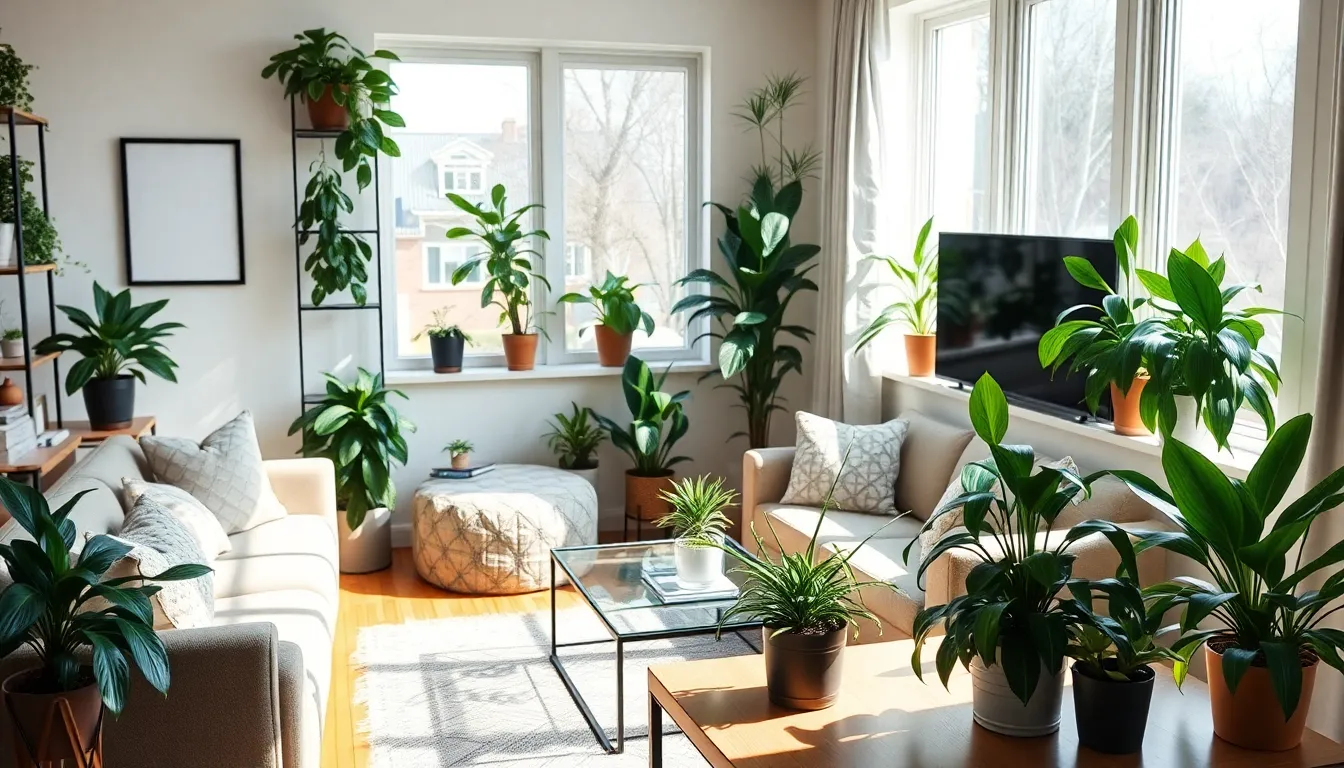
Whole house plants offer numerous advantages for indoor environments. Not only do they enhance aesthetics, but they also promote a healthier living space.
Improved Air Quality
Enhanced air quality results from the presence of whole house plants. They filter harmful toxins, like formaldehyde and benzene, from the air. Various studies show that indoor plants can increase oxygen levels, promoting better respiratory health. Specific species, such as Peace Lilies and Spider Plants, excel at removing pollutants. Incorporating these plants leads to fewer allergies and respiratory issues. Additionally, indoor greenery contributes to a less stressful environment, as cleaner air positively affects mood and cognitive function.
Aesthetic Appeal
Aesthetic appeal significantly improves with the addition of whole house plants. These plants create vibrant, lush arrangements that add life to any room. Different species offer unique colors, shapes, and textures, enhancing visual interest. Strategic placement showcases plants in various sizes and heights, creating depth and dimension. Home decor becomes more inviting and stylish with the thoughtful integration of greenery. People often find plants to be focal points in rooms, capturing attention and sparking conversation. Overall, whole house plants transform ordinary spaces into visually stunning indoor jungles.
Choosing the Right Whole House Plant
Selecting the right whole house plant requires attention to specific factors and an understanding of popular options. Making informed decisions leads to an enriched living environment.
Factors to Consider
Light availability plays a crucial role in plant selection. Assess natural light levels in each room to choose suitable plants. Space requirements also matter; larger plants need ample room to thrive. Humidity levels influence plant health; some plants prefer moist air, while others tolerate drier conditions. Maintenance needs vary; certain plants require more care, while others are low-maintenance.
Allergies should be considered, as some plants may trigger reactions. Pests can pose challenges, so selecting resilient species helps minimize issues. Selecting plants that match personal preferences boosts enjoyment and satisfaction.
Popular Options
Foliage plants like Snake Plants and ZZ Plants excel in low-light conditions and require minimal care. Peace Lilies, known for their air-purifying abilities, thrive in indirect light. Rubber Trees offer impressive height and vibrant foliage, making them stunning focal points in any room. For vibrant colors, consider Anthuriums, which produce long-lasting flowers.
Succulents, such as Echeveria and Jade Plants, provide unique shapes and textures while needing infrequent watering. Spider Plants, known for their air-cleaning properties, produce offshoots, promoting propagation. Each option enhances aesthetics while contributing positively to indoor environments.
Care and Maintenance
Whole house plants require specific care for optimal growth and health. Proper maintenance ensures these plants thrive, enhancing both aesthetics and air quality.
Watering Guidelines
Watering needs vary among species. A general rule is to check soil moisture before adding water. Many plants prefer dry soil between watering sessions. Overwatering can lead to root rot, while underwatering causes wilting. It’s essential to adjust watering frequency according to seasonal changes, often reducing it during winter. Using pots with drainage holes is crucial as excess water should not collect at the bottom. Monitoring signs like yellowing leaves indicates adjustments may be necessary.
Light Requirements
Light requirements significantly influence plant health. Some species thrive in bright, indirect light, while others prefer low-light conditions. Assessing the natural light in each room aids in proper placement. Ensuring plants receive adequate light enables photosynthesis, promoting growth. Rotating plants every few weeks can provide even exposure, preventing leaning. Consider using grow lights for spaces with insufficient sunlight, particularly during winter months. Different species have distinct needs, so researching each plant helps achieve optimal light conditions.
Common Issues and Solutions
Whole house plants can encounter various issues during their growth and maintenance. Recognizing these problems proves essential for ensuring a vibrant indoor environment.
Overwatering leads to root rot, causing plant decline. To avoid this, it’s necessary to check soil moisture regularly. Implementing a watering schedule based on each species’ needs helps prevent waterlogging.
Underwatering causes wilting and stunted growth. Signs of dehydration include drooping leaves and dry soil. Adjust watering frequency during seasonal changes, especially in warmer months when plants may require more moisture.
Pest infestations can affect many house plants, with common pests including spider mites and aphids. Regularly inspect plants for signs of infestation, such as discolored leaves. Introducing natural predators or using insecticidal soap can effectively control these pests.
Insufficient light impacts plant growth, especially for species requiring bright light, like succulents and flowering plants. Observing plant behavior can indicate light needs—stretched or leggy growth signifies too little light. Adjusting placement or using grow lights can ensure plants receive adequate light.
Nutrient deficiencies affect overall health and growth rates. Yellowing leaves may signal a lack of essential nutrients. Applying a balanced fertilizer during the growing season helps address and prevent deficiencies.
Toxicity to pets presents a concern for households with animals. Species such as Peace Lilies and Philodendrons can be harmful when ingested. Choosing non-toxic varieties, like Spider Plants or Boston Ferns, promotes safety for furry companions.
Addressing these common issues ensures whole house plants thrive, resulting in a healthier and more aesthetically pleasing living space.
Incorporating whole house plants into a living space can significantly enhance both aesthetics and well-being. These plants not only purify the air but also create a calming atmosphere that promotes productivity and reduces stress. With a variety of options available, individuals can choose plants that best suit their environment and personal style.
Proper care and attention help ensure these plants thrive, contributing to a healthier home. By selecting resilient species and addressing common issues, plant owners can enjoy the numerous benefits that whole house plants offer. Transforming a home into a vibrant indoor oasis is achievable with the right choices and maintenance practices.