
In today’s fast-paced world, finding moments of peace can feel like a challenge. Gardening offers a simple yet profound way to unwind and reconnect with nature. As individuals dig their hands into the soil and nurture plants, they often discover a therapeutic escape from daily stressors.
The act of gardening not only cultivates beautiful spaces but also promotes mental clarity and emotional well-being. Whether tending to a small balcony garden or a sprawling backyard, the rhythm of planting, watering, and pruning can be incredibly soothing. This article explores how gardening serves as a powerful tool for relaxation and mindfulness, inviting everyone to embrace the healing benefits of this rewarding hobby.
Benefits of Gardening for Relaxation
Gardening offers numerous benefits that contribute to relaxation. Engaging with nature enhances mental clarity and supports physical well-being, making it a rewarding activity for stress relief.
Mental Health Benefits
Gardening alleviates anxiety and depression by fostering a sense of accomplishment. Regular plant care encourages mindfulness, allowing individuals to focus on the present. Studies show that spending time in green spaces reduces cortisol levels, the hormone associated with stress. Social interactions with fellow gardeners can also enhance feelings of connection and community, further promoting mental wellness.
Physical Health Benefits
Gardening serves as a form of physical exercise, improving cardiovascular health and enhancing endurance. Activities like digging, planting, and weeding engage multiple muscle groups, contributing to overall fitness. Exposure to sunlight during gardening increases vitamin D levels, supporting bone health and boosting mood. Moreover, nurturing plants can encourage healthier eating habits, particularly when growing fruits and vegetables.
Techniques for Relaxation Through Gardening
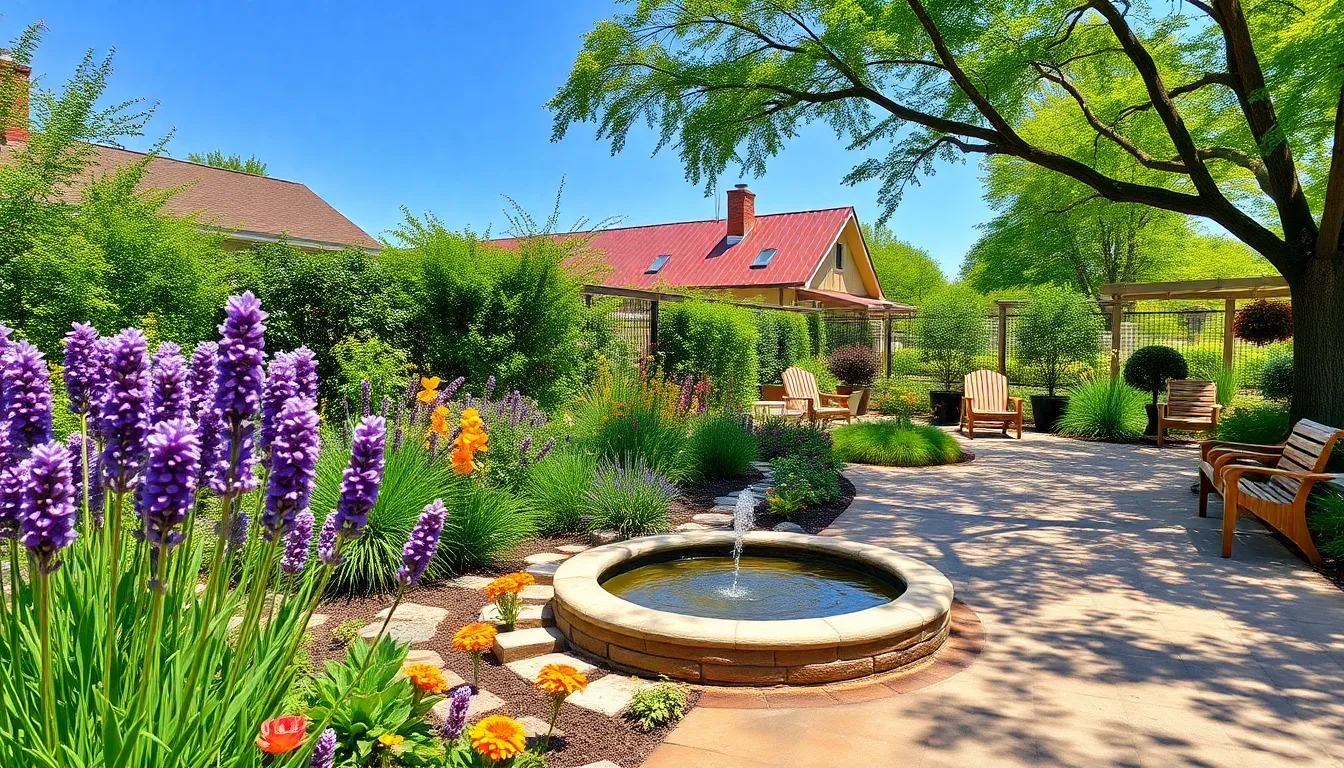
Gardening offers various techniques that promote relaxation. Mindfulness practices and creating a calming garden space enhance the therapeutic benefits of gardening.
Mindfulness Practices
Mindfulness practices in gardening enhance focus and tranquility. Engaging the senses allows individuals to connect with their surroundings.
- Breathing Exercises: Practicing deep breathing while tending to plants calms the mind.
- Focused Attention: Focusing solely on gardening tasks, such as pruning or planting, promotes present-moment awareness.
- Sensory Engagement: Noticing the colors, scents, and textures of plants heightens sensory awareness and reduces stress.
- Gratitude Reflection: Reflecting on the growth and beauty of plants fosters a sense of gratitude and contentment.
Creating a Relaxing Garden Space
Creating a relaxing garden space encourages peace and serenity. Thoughtful design choices contribute to an inviting environment.
- Choosing Plants: Selecting calming plants, such as lavender or jasmine, offers soothing fragrances and visual appeal.
- Incorporating Water Features: Adding a small fountain or pond creates a tranquil soundscape that promotes relaxation.
- Designing Comfortable Seating: Providing inviting seating areas encourages moments of rest and reflection.
- Utilizing Shade: Constructing shaded areas helps create a cool retreat during sunny days, enhancing comfort.
Incorporating these techniques into gardening practices fosters relaxation and well-being, making gardening a fulfilling and restorative pursuit.
Plant Choices for a Relaxing Garden
Selecting the right plants enhances the relaxing atmosphere of a garden. Focus on varieties that offer sensory engagement and minimal upkeep to create a tranquil retreat.
Aromatic Plants
Aromatic plants contribute significantly to a soothing garden experience.
- Lavender: Known for its calming scent, lavender promotes relaxation and reduces stress.
- Rosemary: Offers both culinary benefits and a woodsy fragrance that can invigorate the senses.
- Mint: Provides a refreshing aroma, perfect for teas and garnishes while adding sensory pleasure to garden spaces.
- Jasmine: Emits a sweet scent, often linked to sleep enhancement and relaxation.
Incorporating these plants fosters a therapeutic environment, encouraging mindfulness through the engaging scents they offer.
Low-Maintenance Options
Low-maintenance plants simplify garden upkeep, allowing for more time to relax and enjoy the space.
- Sedums: These resilient succulents thrive in various conditions and require minimal watering.
- Daylilies: Known for vibrant blooms, they adapt to diverse climates and offer vibrant colors with little maintenance.
- Ornamental grasses: These provide texture and movement to gardens, needing little attention while enhancing visual interest.
- Hostas: Ideal for shaded areas, they require occasional watering and provide lush foliage.
Selecting low-maintenance plants ensures a serene environment without the burden of constant care, allowing for more relaxation time in the garden.
Seasonal Gardening Tips for Relaxation
Engaging in gardening throughout the seasons enhances relaxation and mental well-being. Implementing seasonal activities fosters a deeper connection with nature and provides structured relaxation throughout the year.
Spring Gardening Activities
Spring offers an ideal time for rejuvenation in the garden, aligning with nature’s awakening. Prioritize early planting of vibrant flowers like tulips, daffodils, and pansies, which bring an immediate boost to the mood. Spring cleaning in the garden, such as clearing debris and preparing soil, creates a sense of accomplishment and readiness. Consider incorporating mindfulness practices like watching the first blooms unfold or focusing on the sounds of birds returning. Establishing a routine, such as weekly garden walks, cultivates a calming presence in the outdoor space, allowing for tranquil moments amidst the hustle of spring.
Winter Gardening Retreats
Winter gardening offers unique opportunities for relaxation and reflection. Engage in activities such as indoor plant care, nurturing houseplants like snake plants and peace lilies that improve air quality and mood indoors. Create a cozy retreat by setting up a gardening corner with winter-themed decor and aromatic candles. Embrace winter gardening through planning for the next season, sketching garden designs, or exploring new plant varieties. Failure to neglect outdoor spaces can lead to appreciation for their beauty, enhancing mindfulness during the quiet months. Connecting with local gardening groups can also foster community, providing shared relaxation and support during winter’s stillness.
Gardening offers a unique pathway to relaxation and well-being. By immersing oneself in nature’s beauty and engaging in nurturing activities, individuals can cultivate a sense of peace and fulfillment. The act of tending to plants not only reduces stress but also enhances physical health and emotional resilience.
Incorporating mindfulness practices into gardening can deepen the experience, allowing for greater appreciation of the moment. As seasons change, so do the opportunities for growth and reflection. Whether through vibrant blooms in spring or quiet indoor plant care in winter, gardening remains a rewarding hobby that nurtures both the body and mind. Embracing this therapeutic practice can lead to a more balanced and serene lifestyle.