
Nature has a way of captivating the soul, inspiring creativity and rejuvenating the mind. From lush forests to serene lakes, the great outdoors offers a sanctuary for those seeking a break from the hustle and bustle of daily life. Embracing nature-inspired outdoor experiences not only enhances well-being but also fosters a deeper connection to the environment.
Exploring nature’s beauty can ignite a sense of adventure and curiosity. Whether it’s hiking through vibrant landscapes or simply enjoying a quiet moment in a garden, these experiences encourage individuals to appreciate the world around them. By immersing themselves in nature, people discover the transformative power it holds, leading to a more balanced and fulfilling life.
Overview of Nature-Inspired Outdoors
Nature-inspired outdoors encompass various experiences that elevate well-being and stimulate creativity. These experiences include activities such as hiking, gardening, camping, and nature photography. Engaging with natural settings enhances physical health, reduces stress, and improves mental clarity.
Key Elements of Nature-Inspired Outdoors
- Natural Landscapes: Exposure to forests, mountains, and lakes promotes tranquility and relaxation.
- Outdoor Activities: Hiking, biking, and kayaking foster physical engagement and emotional wellness.
- Ecological Awareness: Understanding ecosystems raises appreciation for biodiversity and conservation.
- Mindfulness in Nature: Practicing mindfulness during outdoor activities cultivates presence and reduces anxiety.
- Social Connections: Group outdoor activities build relationships and foster community bonds.
Benefits of Nature-Inspired Outdoors
- Improved Well-Being: Regular outdoor experiences contribute to better physical health and emotional stability.
- Enhanced Creativity: Time spent in nature has been shown to boost innovative thinking and problem-solving abilities.
- Stress Reduction: Natural settings provide a serene environment that lowers cortisol levels.
- Physical Fitness: Engaging in outdoor sports promotes cardiovascular health and muscle strength.
Nature-inspired outdoors not only enrich personal growth but also encourage a deeper connection to the environment. By embracing these experiences, individuals cultivate healthier lifestyles and discover a profound appreciation for nature’s beauty.
Benefits of Nature-Inspired Design
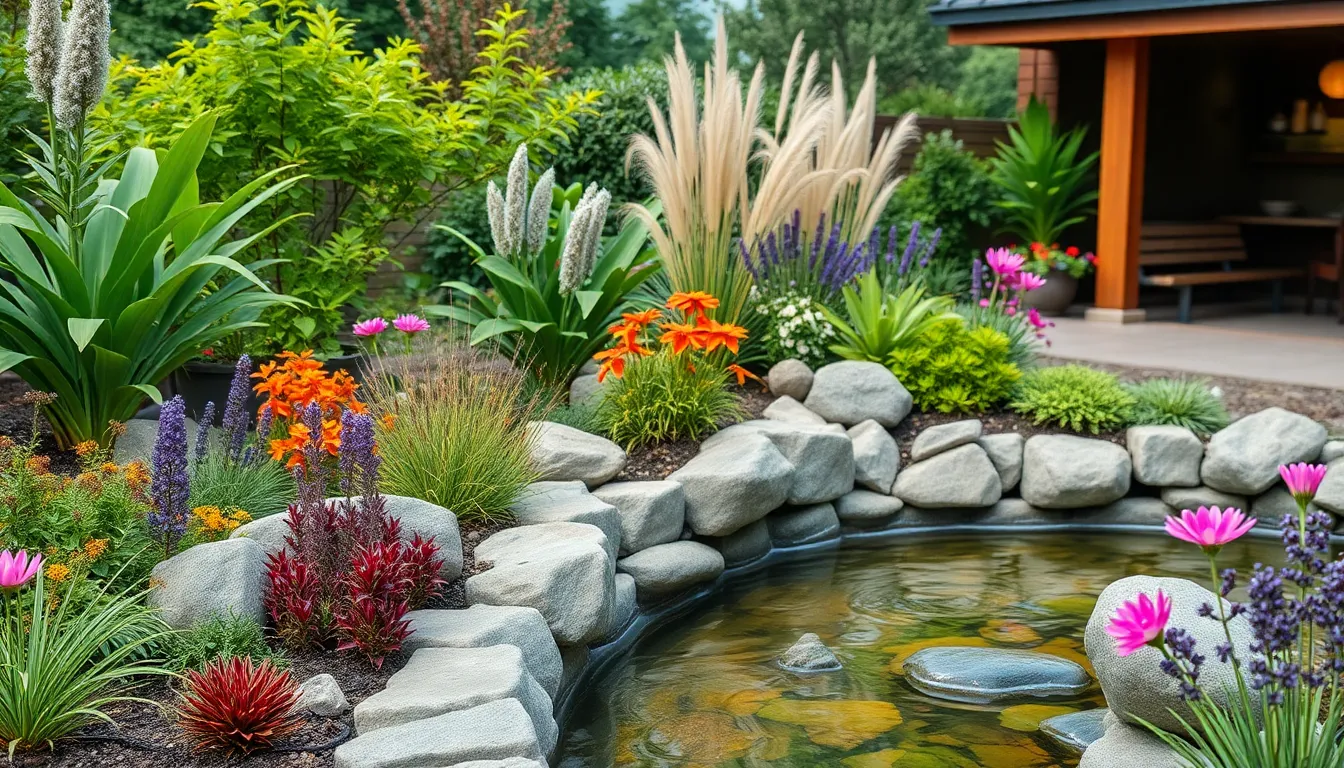
Nature-inspired design fosters numerous advantages for both individuals and the environment. By incorporating natural elements, spaces become more harmonious and rejuvenating.
Psychological Benefits
Psychological benefits of nature-inspired design include enhanced mood and reduced anxiety. Interaction with natural elements such as greenery and water contributes to lower cortisol levels, which directly affects stress. Studies indicate that spending time in nature boosts overall happiness and enhances cognitive function. Natural light and organic shapes in design promote tranquility, supporting mental clarity and creativity. Incorporating elements like plants and water features can also lead to improved focus and reduction in attention fatigue.
Environmental Considerations
Environmental considerations highlight the importance of sustainability in nature-inspired design. Utilizing materials sourced sustainably minimizes ecological footprints. Incorporating native plants into landscaping supports local biodiversity and reduces water consumption. Designing structures to maximize natural light and ventilation enhances energy efficiency, which lowers reliance on artificial systems. Rainwater harvesting systems and green roofs further contribute to environmental health, supporting urban wildlife and mitigating urban heat effects. Overall, nature-inspired design aligns with ecological principles, fostering a symbiotic relationship between humans and their environment.
Popular Elements in Nature-Inspired Outdoors
Nature-inspired outdoors incorporates various elements that enhance the experience and connection with the environment. Key features include water elements and native plant landscaping, both of which contribute significantly to enriching outdoor spaces.
Water Features
Water features enhance the sensory experience of outdoor environments. Options include ponds, fountains, streams, and waterfalls. These elements create soothing sounds while attracting diverse wildlife, such as birds and butterflies. Installing water features can increase biodiversity and support local ecosystems. Additionally, studies show that proximity to water reduces stress and promotes relaxation. Incorporating elements like rain gardens can manage stormwater while providing aesthetic appeal, further blending functionality with nature.
Native Plant Landscaping
Native plant landscaping promotes ecological balance and reduces maintenance needs. Native plants, adapted to local conditions, require less water and fertilizers compared to non-native species. This approach supports local wildlife, including bees, butterflies, and birds, contributing to pollinator health and biodiversity. Using native plants helps maintain the region’s cultural identity and enhances resilience to climate change. Incorporating native plant gardens creates vibrant landscapes that thrive year-round, offering visual interest while minimizing environmental impact.
Practical Tips for Creating Nature-Inspired Spaces
Creating nature-inspired spaces involves thoughtful planning and selection. Thoughtful choices enhance the overall aesthetic and connection to the natural environment.
Choosing the Right Location
Selecting the appropriate location is crucial for a nature-inspired space. Seek areas with ample natural light and existing greenery. Consider proximity to water bodies, like lakes or rivers, which enrich the atmosphere. Evaluate the surrounding landscape for existing features like trees or hills that promote harmony with nature. Prioritize locations that encourage outdoor activities, such as hiking or birdwatching, to maximize engagement with the environment.
Incorporating Natural Materials
Using natural materials contributes significantly to nature-inspired designs. Choose wood, stone, and bamboo to create a balanced, organic look. Select materials with minimal processing to maintain their natural beauty and sustainability. Implement materials like reclaimed wood to enhance environmental sustainability while adding character. Integrate elements such as clay pots or stone pathways to unify the outdoor space. Incorporate water features using natural stones to create calming sounds and attract wildlife. These design choices foster a seamless connection with nature, enhancing the space’s overall appeal.
Examples of Nature-Inspired Outdoors
Hiking Trails
Hiking trails offer direct engagement with nature. They provide opportunities to explore diverse landscapes, from mountains to forests. Trails suited for various skill levels encourage participation from beginners to experienced hikers.
Community Gardens
Community gardens foster social connections while promoting sustainable practices. They enable individuals to grow their own produce, enhancing food security. Such gardens often feature native plants, providing habitats for local wildlife.
Campgrounds
Campgrounds immerse individuals in the natural environment. They offer facilities for camping under the stars, with amenities like fire pits and picnic areas. Campgrounds often encourage activities such as fishing, hiking, and wildlife observation.
Nature Photography Spots
Nature photography spots attract photographers of all skill levels. They present stunning vistas, unique wildlife, and intricate plant life. Capturing these moments inspires appreciation for the beauty and complexity of the natural world.
Water Features
Water features enhance outdoor spaces, promoting tranquility and attracting wildlife. Options include ponds, fountains, and streams. These features create soothing sounds that contribute to relaxation and ecological diversity.
Native Plant Landscapes
Native plant landscapes reduce maintenance and support local ecosystems. Selecting plants native to the region enhances biodiversity and resilience. These landscapes harmonize with local wildlife, fostering ecological balance.
Eco-Friendly Parks
Eco-friendly parks incorporate sustainable design elements, such as permeable pathways and organic shapes. They prioritize native vegetation and water conservation practices. Such parks provide space for community events and recreational activities while promoting environmental stewardship.
Embracing nature-inspired outdoors offers a pathway to enhanced well-being and creativity. By engaging with the natural world through activities like hiking and gardening, individuals can experience significant mental and physical benefits. These experiences foster a deeper connection to the environment and promote a sense of community.
Incorporating elements such as water features and native plants not only enriches outdoor spaces but also supports ecological balance. Thoughtful design choices can create serene environments that inspire mindfulness and creativity. Ultimately, nature-inspired spaces encourage individuals to appreciate the beauty around them while contributing to sustainability and environmental stewardship.