
House plants can be the perfect companions, adding life and color to any space. But let’s face it: keeping them alive can sometimes feel like a high-stakes game of “Will It Survive?” Watering can be a tricky balance between a refreshing drink and a drowning disaster. So how often should one really water those leafy friends?
Imagine your plant’s inner dialogue: “Am I thirsty or just pretending to be dramatic?” Understanding the right watering frequency can help prevent those sad, droopy leaves and turn your home into a lush oasis instead. Dive into the world of plant hydration and discover the secrets to keeping your green pals happy and thriving. After all, a well-watered plant is a happy plant—and who wouldn’t want that?
Understanding Plant Watering Needs
Plants exhibit unique watering requirements influenced by species, environment, and growth stage. Understanding these variables helps maintain optimal hydration levels. Tropical plants, for instance, often thrive in consistently moist soil, while succulents prefer drier conditions.
Soil type significantly affects moisture retention. Clay soils hold water longer than sandy soils, which drain quickly. Cacti require less frequent watering, as they store moisture. Conversely, ferns appreciate higher humidity and should receive regular watering.
Light exposure can dictate watering frequency. Plants in bright light may dry out faster than those in low light. Adjust watering habits based on visual cues. Droopy leaves often signal thirst, while yellowing leaves may indicate overwatering.
Growth stage also plays a role. New plant growth generally needs more water, while dormant plants require less. Monitoring seasonal changes can refine watering schedules; many plants need less water during cooler months.
Environmental factors impact watering needs. Dry indoor air from heating systems can increase moisture loss, necessitating frequent checks. Using a moisture meter provides specific data, aiding in more precise watering decisions.
Know the signs of overwatering and underwatering. Leaf curl, wilting, and stem rot are indicative of poor watering practices. Each species may have unique indicators, and familiarity with these signs aids in proper plant care.
Creating a watering routine benefits both plants and caretakers. By observing and adjusting to individual plant needs, a healthy indoor oasis thrives.
Factors That Influence Watering Frequency
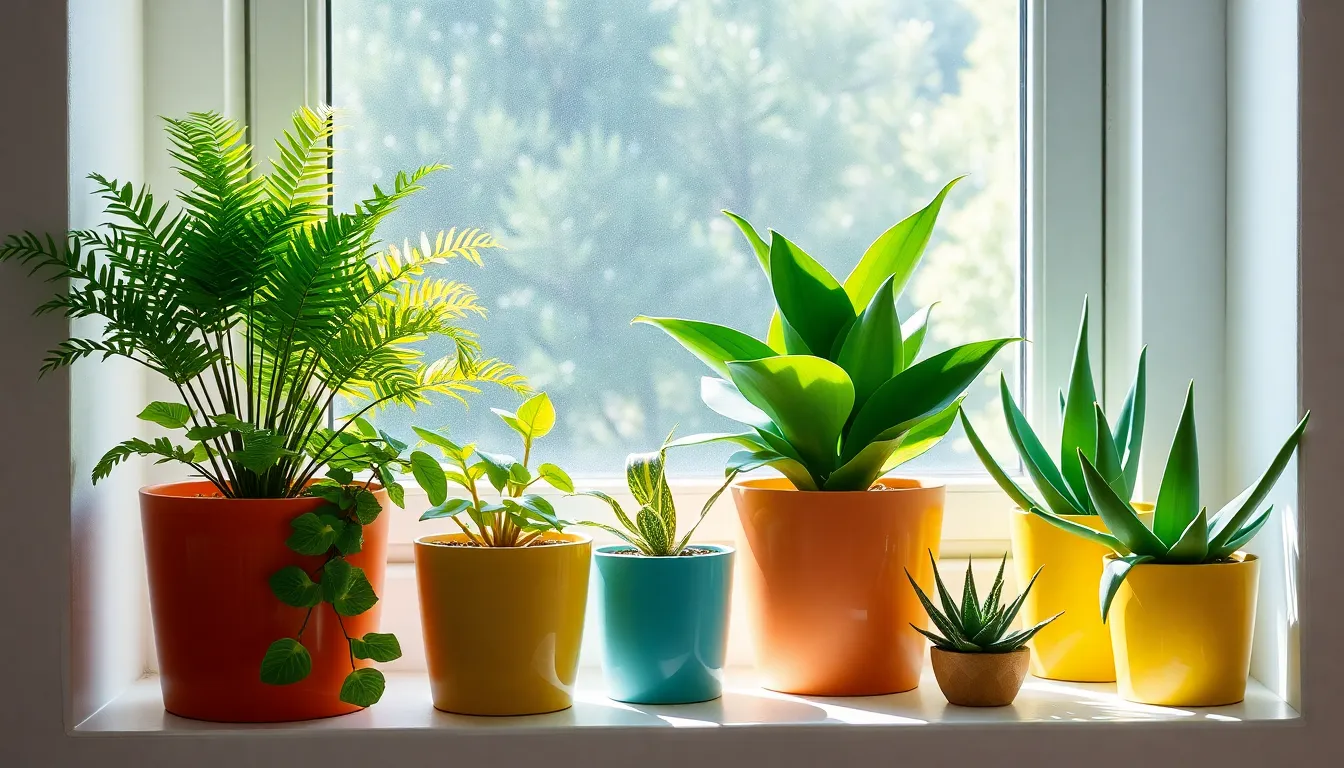
Understanding the factors that influence watering frequency is essential for maintaining healthy house plants.
Type of Plant
Plant type significantly impacts watering needs. Tropical plants, such as ferns and peace lilies, thrive in consistently moist conditions. On the contrary, succulents, like aloe vera and jade, prefer drier soil with less frequent watering. Additionally, flowering plants may require more moisture during blooming periods, while some hardy species can tolerate drought. Recognizing the specific needs of each plant type ensures appropriate watering intervals, facilitating optimal growth and health.
Size of Plant
Plant size also plays a crucial role in determining watering frequency. Smaller plants typically require less water due to limited root systems and soil volume. Larger plants, including fiddle leaf figs and rubber trees, need more water to satisfy their extensive root networks. As plants grow, adjusting watering routines is vital to accommodate their increasing size and hydration demands. This consideration promotes a thriving indoor garden environment.
Potting Medium
Potting medium affects moisture retention and drainage capabilities. Soils rich in organic matter retain more moisture, making them ideal for moisture-loving plants. Conversely, well-draining mixes, like cactus soil, work best for moisture-sensitive plants. The choice of potting medium influences watering frequency; a potting mix that retains too much moisture may lead to root rot. Selecting the appropriate potting medium aligns plant needs with optimal hydration, enhancing overall plant health.
Signs Your Plant Needs Water
Recognizing when a plant needs water is crucial for its health. Some clear indicators help cultivate a thriving indoor garden.
Leaf Curling
Leaf curling often signals a lack of moisture. Curling leaves may appear dry, crispy, or wrinkled, indicating the plant’s struggle to retain hydration. Inspecting for curling provides immediate insight into watering needs. Plants like ferns and peace lilies exhibit significant curling when underwatered. Responding promptly helps prevent further distress and encourages rejuvenation.
Soil Moisture Levels
Soil moisture levels play a critical role in determining watering frequency. Checking soil moisture involves inserting a finger into the soil about an inch deep. If the soil feels dry, it’s time to water. For plants such as snake plants and pothos, dry soil can lead to stress. Furthermore, using a moisture meter can offer more precise readings, aiding in consistent watering practices. Balancing moisture retention in the soil with the specific needs of each plant enhances overall health and growth.
General Guidelines for Watering
Understanding the specific watering needs of house plants is crucial for their health and growth. Guidelines vary based on plant type and the environment.
Different Types of House Plants
Tropical plants demand consistent moisture as they thrive in humidity-rich environments. Succulents, however, require infrequent watering due to their drought-resistant nature. Cacti also prefer dry conditions and should only receive water every few weeks. Ferns enjoy moist soil, while flowering house plants often need moderate moisture levels. Deciduous plants may need more frequent watering during active growth periods, whereas evergreen species can be more forgiving when it comes to moisture management. Observing each plant’s unique characteristics leads to better watering practices.
Seasonal Considerations
Seasons significantly influence water needs for house plants. Spring and summer typically bring increased growth, necessitating more frequent watering. Conversely, during fall and winter, many plants enter dormancy and require less water. Reduced light exposure in colder months affects soil evaporation rates, leading to moisture retention. It’s essential to monitor these changes and adjust watering schedules accordingly. Temperature fluctuations can also impact humidity levels, making some indoor environments drier. Regular checks on soil moisture help maintain an optimal watering routine throughout the year.
Tips for Effective Watering
Understanding the unique needs of each plant species ensures effective watering. Assessing soil moisture before watering helps prevent overwatering. Checking moisture levels can involve inserting a finger into the soil or using a moisture meter for precise readings. Opting for a consistent watering schedule simplifies routines, especially during the growing season.
Observing environmental conditions influences watering frequency. Increased light exposure often necessitates more frequent watering for many plants. Adjusting routines during seasonal changes enhances plant health. Noticing signs like leaf curling or wilting raises awareness for potential moisture issues.
Varying the size of the plant affects its water requirements. Larger plants typically require more water than smaller ones. Selecting an appropriate potting medium aids in moisture retention, impacting watering habits. It’s crucial to use pots with drainage holes to prevent excess water buildup.
Incorporate room temperature changes when planning watering schedules. Rooms with dry air tend to dry out soil quicker, requiring adjustments in watering frequency. Grouping plants with similar moisture needs can simplify the watering process.
Employing seasonal schedules benefits watering routines. Spring and summer typically increase plant growth, demanding more water. Conversely, fall and winter suggest reduced watering as many plants enter dormancy.
Fostering awareness of plant responses encourages better care practices. Recognizing how different plants respond to moisture levels promotes healthy growth. Taking these tips into consideration leads to a thriving indoor environment filled with vibrant houseplants.
Understanding how often to water house plants is essential for their health and vitality. Each plant species has its unique hydration needs influenced by factors like environment and growth stage. By recognizing the signs of overwatering and underwatering and adjusting watering habits accordingly, plant caretakers can create a thriving indoor garden.
Utilizing tools like moisture meters can provide valuable insights into soil conditions. Additionally grouping plants with similar moisture requirements simplifies care routines. With consistent attention to their needs and environmental changes, house plants can flourish and enhance the beauty of any home.