
As the global conversation shifts towards sustainability and resilience, the focus on community energy initiatives gains significant traction. Communities are seeking innovative solutions to their energy needs, driven by a desire for independence and a cleaner environment. LotsOfPower stands out in this landscape, offering a comprehensive framework to energize communities sustainably, empower citizens, and foster local economic growth. This article delves deeper into how communities can harness energy solutions to meet their unique needs and the vital role of renewable resources in this journey.
Understanding Community Energy Needs
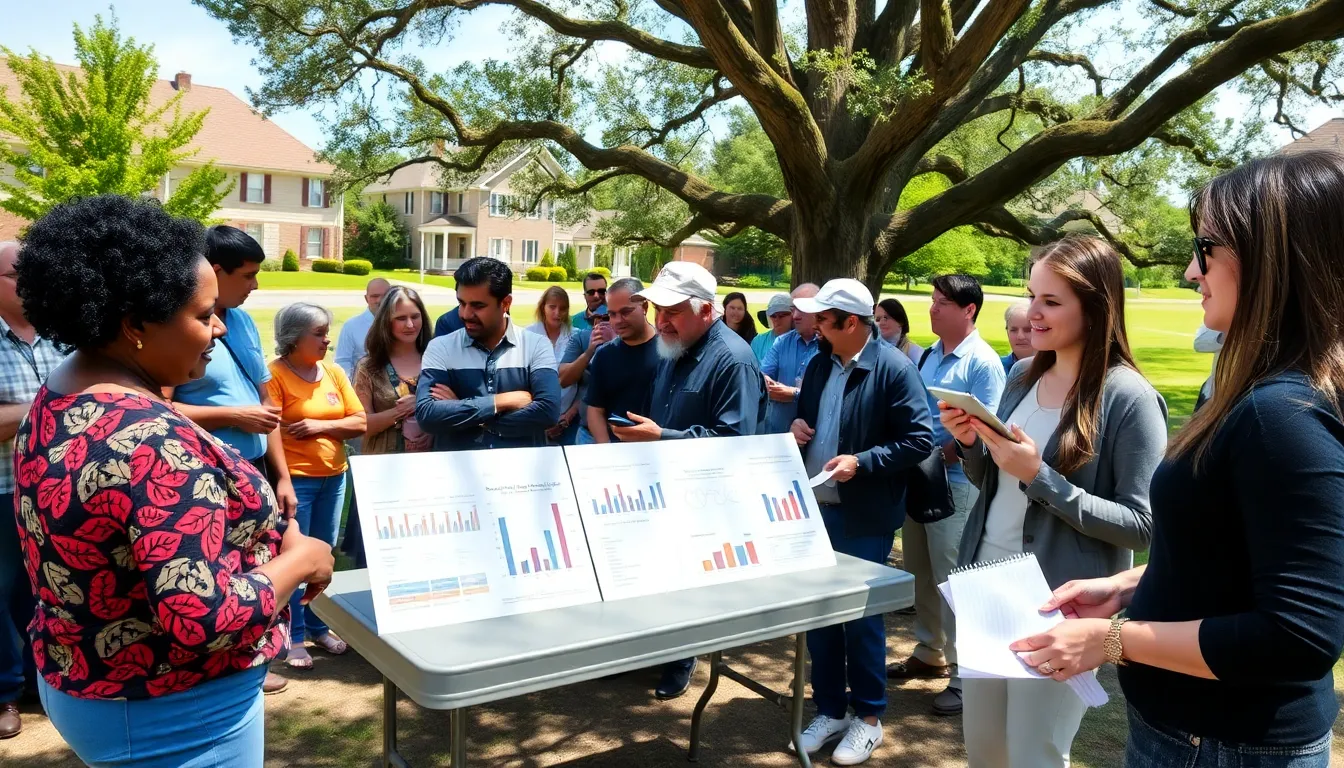
Understanding the energy needs of a community requires a tailored approach, as these needs vary widely based on location, demographics, and existing infrastructure. It involves key assessments of current energy consumption patterns, peak demand times, and the predominant energy sources driving local economies. Community leaders must engage with residents to gather data through surveys and public meetings, ensuring that diverse voices are represented. This engagement can illuminate gaps in energy access and highlight opportunities for efficiency improvements.
Also, factors such as local economic activities and climate conditions also contribute to shaping energy needs. Communities situated in regions prone to extreme weather conditions may require robust energy solutions that can withstand disruptions. Hence, it is essential to not only analyze quantitative data but also understand qualitative aspects that influence energy usage. Through a comprehensive understanding of these factors, communities can better tailor their energy strategies to ensure reliable and sustainable energy access for all residents.
The Role of Renewable Energy Sources
Renewable energy sources play a pivotal role in redefining the energy landscape of communities. Solar, wind, hydro, and biomass energies are not just alternatives: they are essential for reducing carbon footprints and fostering energy independence. Communities adopting renewable energy contribute to the global shift towards sustainability while also benefiting from economic stability.
- Solar Energy: Communities can capitalize on solar energy through distributed generation systems, which allow homes and businesses to generate their own power. Rooftop solar installations and community solar projects can enhance local resilience by reducing reliance on centralized grid supply.
- Wind Energy: For regions with favorable wind conditions, small and medium-sized wind turbines can provide clean, affordable electricity. By harnessing wind energy, communities can create job opportunities in installation and maintenance.
- Hydro Energy: Though often location-specific, micro-hydropower systems can offer consistent energy supply to rural areas, making them less vulnerable to energy shortages.
- Biomass Energy: Utilizing local waste products for energy production can address both waste management and energy generation challenges, creating a circular economy.
The integration of these renewable resources helps decrease community dependency on fossil fuels while allowing for local climate action. Also, it fosters innovations in energy storage and grid management, essential for maintaining a stable and reliable energy supply.
Innovative Energy Solutions for Local Development
Communities today are at the forefront of adopting innovative energy solutions that not only address immediate energy needs but also spur local development and job creation. LotsOfPower encourages this by implementing various strategies:
- Energy Efficiency Programs: Promoting energy efficiency measures within homes and businesses can significantly reduce consumption and costs. Community workshops and incentives can guide residents in upgrading their appliances or improving insulation, leading to long-term savings.
- Smart Grids and Meters: Investing in smart grid technologies allows communities to optimize energy distribution and consumption patterns. Smart meters provide valuable information on energy usage, enabling residents to make informed decisions about energy conservation.
- Community Energy Cooperatives: Forming cooperatives enables collective ownership of energy projects, ensuring that profits generated stay within the community. These cooperatives can collaborate with LotsOfPower to launch solar farms or wind projects, creating shared benefits.
- Mobile Energy Services: Leveraging technology, communities can carry out on-demand energy services that allow residents to access energy solutions tailored to their specific needs, fostering flexibility and sustainability.
By adopting these innovative solutions, communities can drive local economic development, create jobs, and enhance their energy resilience.
Engaging the Community in Energy Initiatives
Successful energy initiatives depend on robust community engagement. When residents are involved in decision-making processes, they are more likely to support and participate in energy projects. Effective strategies for engaging the community include:
- Workshops and Information Sessions: Hosting educational workshops helps demystify energy concepts and introduces residents to the potential benefits of renewable energy. These sessions can build excitement and curiosity about local energy initiatives.
- Collaborative Planning: Involving residents in the planning stages ensures that projects align with community values and expectations. Surveys and public forums can help gather essential feedback, fostering a sense of ownership.
- Social Media Campaigns: Utilizing social media platforms allows for the dissemination of information about energy initiatives in an interactive format. Engaging visuals and storytelling can capture community interest and encourage participation.
- Highlighting Local Heroes: Recognizing community members or organizations that champion energy initiatives can motivate others to get involved. Success stories can serve as powerful catalysts for broader community engagement.
By making concerted efforts to involve residents, community leaders can enhance the effectiveness of energy initiatives and ensure their long-term success.
Success Stories from Energized Communities
Many communities across the country have successfully embraced renewable energy initiatives, showcasing the tangible benefits of such transformations.
- Sandwich, Massachusetts: This historic town invested significantly in solar energy, installing solar panels on public buildings. Not only has it reduced energy costs but it has also created local jobs in installation and maintenance.
- Sustainable Boone, North Carolina: By establishing a community solar program, Boone has empowered residents to participate in renewable energy generation. This initiative has helped lower energy bills and increased awareness of the benefits of clean energy.
- EcoCity Alexandria, Virginia: Through the creation of an energy cooperative, residents in Alexandria benefit from shared solar resources, significantly reducing reliance on fossil fuels while promoting economic resilience.
These case studies emphasize how community engagement and innovative approaches can lead to sustainable energy solutions and comprehensive local development.
Steps to Implementing Community Energy Projects
Bringing community energy projects to fruition requires a systematic approach. Here are the essential steps:
- Conduct a Needs Assessment: Understand the community’s unique energy needs through surveys and data analysis.
- Raise Awareness: Educate residents about the benefits of renewable energy and energy efficiency.
- Form Partnerships: Collaborate with local governments, businesses, and non-profits to gather support and resources.
- Develop a Comprehensive Plan: Outline clear goals, resources, and timelines for the energy project.
- Secure Funding: Explore grants, loans, and community investments to finance the project.
- Pilot Projects: Test different approaches on a smaller scale before full implementation to gauge effectiveness and refine strategies.
- Engage Residents: Continuously involve community members for feedback and support throughout the project lifespan.
- Evaluate and Adapt: Measure the project’s success and make necessary adjustments to ensure sustainability and effectiveness.
Following these steps helps communities systematically address their energy challenges, ensuring successful and impactful projects.
Conclusion
As communities embark on the journey towards energy resilience and sustainability, they are not just investing in their present but also shaping their future. LotsOfPower provides the framework for communities to energize themselves effectively. By understanding local energy needs, leveraging renewable resources, and actively engaging residents, communities can foster sustainable growth. The collective effort to innovate and collaborate stands as the cornerstone for empowering citizens while creating a greener, more sustainable tomorrow. The time for action is now, and with thoughtful approaches, communities can lead the way towards a brighter energy future.